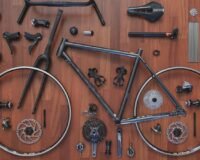
Choosing a bicycle is easier when you know what upkeep will come with it. For shoppers comparing models, the real question is not only how the bike looks or rides today, but how much care it will need over time. A bicycle maintenance fundamentals checklist helps you review the parts that affect everyday reliability, from tire wear to brake feel and drivetrain condition. That matters for anyone buying online, because photos and product names rarely show how much work a bike may need after delivery. Before you commit, it helps to assess the bike as a complete system so you can match the model to your riding habits, skill level, and comfort with routine care.
Key criteria that matter
Start with the parts that affect safety, comfort, and future upkeep. A quick review can tell you whether a bike needs only basic attention or ongoing maintenance right away.
- Tires and tubes, including tread wear, visible damage, and correct pressure range
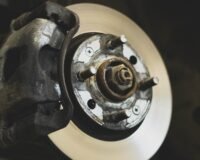
- Brakes, including lever feel, pad condition, and rotor or rim contact
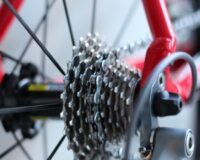
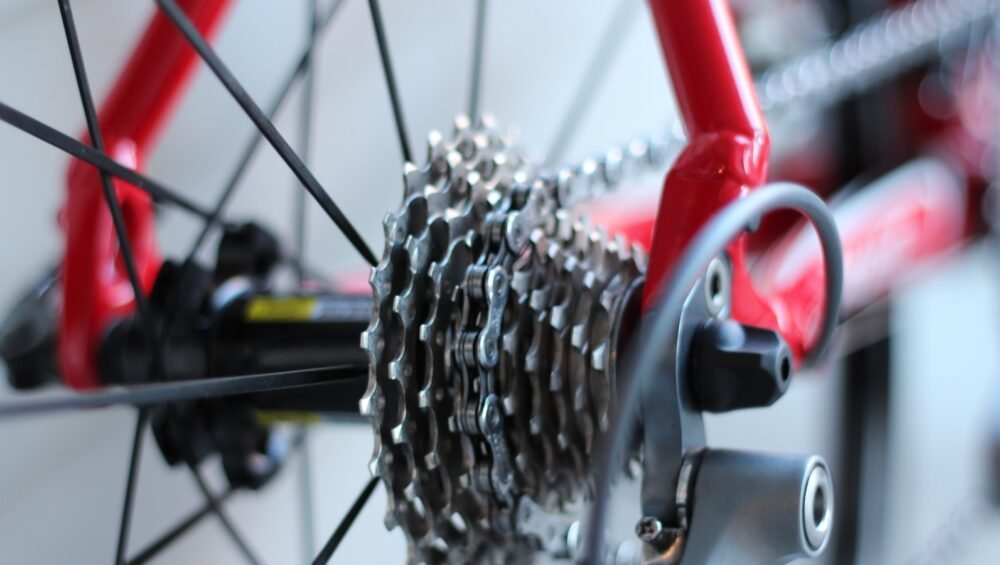
- Chain and drivetrain, including cleanliness, wear, and smooth shifting
- Wheels, including true alignment and spoke tension
- Frame and fork, including cracks, dents, and loose hardware
- Fit points, including saddle height, handlebar position, and reach
If a seller or product page provides service notes, use them as part of your review. A bike that arrives assembled, tuned, or partially adjusted may still need a final check before regular use.
How do you judge whether the bike is ready for regular use?
Readiness comes down to how predictable the bike feels during basic checks. Spin the wheels, squeeze the brakes, shift through the gears, and look for rough movement or unusual noise. A ready bike should feel consistent, not stiff, sticky, or uneven. If you notice hesitation in the chain, pulsing in the brakes, or wobble in the wheels, those are signs that the bike may need adjustment before committed use. For online buyers, this step is especially useful because it separates cosmetic appeal from real mechanical condition. When possible, compare what you see in the listing with what you can verify after delivery or inspection.
Why does maintenance condition matter before you buy?
Maintenance condition affects both cost and convenience. A bike that needs immediate service can change the total value of the purchase, even if the sticker price looks good. It can also shape how quickly you can start riding, especially if replacement parts or tools are needed. For newer riders, a bike that requires frequent adjustment may feel frustrating and harder to trust. For experienced riders, the issue is usually time and predictability. A clear maintenance review helps you compare not only features, but also the work required to keep each option usable. That makes the buying decision more practical and less dependent on assumptions.
Which common mistakes do buyers make during a maintenance review?
Many buyers focus on appearance first and only think about upkeep after the order is placed. That often leads to avoidable surprises.
- Skipping a close look at wear items such as tires, pads, and chain
- Assuming a bike is ready because it is newly listed or freshly delivered
- Overlooking fit issues that can create discomfort after a few rides
- Ignoring signs of wheel wobble or brake rub
- Forgetting to ask what tools, parts, or adjustments may be needed
- Not separating routine care from repair work that may need a mechanic
A simple habit helps: treat each part of the bike as something that should either work now or have a clear, manageable plan for service.
What steps make a maintenance decision easier?
Use a repeatable process so you can compare bikes without guesswork.
- Check the listing or product details for assembly, tuning, and included parts.
- Review tires, brakes, chain, wheels, and frame condition in that order.
- Match the bike’s maintenance needs to your own tools and experience.
- Estimate whether the bike needs minor setup or a fuller service.
- Compare the expected upkeep with how often you plan to ride.
- Keep a short note of anything that needs follow-up after delivery.
If a specific model seems attractive but the upkeep is unclear, pause and gather more detail before buying. That small delay can prevent a larger mismatch later.
What pattern do experienced buyers follow when comparing bikes?
Experienced buyers usually separate “looks good” from “is easy to maintain.” They give extra weight to parts that wear out first and to the kind of service the bike is likely to need in the first month. That pattern saves time because it shifts attention away from surface features and toward the parts that affect daily use. In practice, this means checking whether the bike is simple to keep clean, simple to adjust, and simple to inspect. It also means asking whether replacement parts are easy to source and whether the setup matches the rider’s comfort level. This kind of review is not flashy, but it is reliable.
When should you get help with a bicycle maintenance check?
Get help if you see frame damage, brake problems you cannot explain, wheel wobble that does not improve, or shifting that remains rough after basic adjustment. You should also ask for support if you are unsure how to judge wear on a used bike or if the listing leaves out important service details. For regulated or safety-sensitive concerns, confirm any local requirements or service expectations with a qualified mechanic or the seller’s support team. If you are comparing bikes for a first purchase, a second opinion can make the decision much easier.
What answers do buyers usually want before they commit?
How much maintenance does a new bicycle usually need?
Most bikes need at least a basic setup check after purchase, plus ongoing care based on use, storage, and riding conditions. The exact level varies by model and assembly state.
What parts wear out first on a bicycle?
Tires, brake pads, chains, and other moving parts usually need the most attention over time. The pace of wear depends on riding frequency, surfaces, and weather exposure.
Can I judge maintenance needs from product photos alone?
No. Photos can help with appearance, but they rarely show brake feel, drivetrain wear, wheel true, or setup quality. Use product details and service notes too.
Should I avoid a bike if it needs some adjustment?
Not necessarily. Minor adjustment can be normal. The key is knowing whether the work is simple routine setup or something that needs repair or extra cost.
What should you do next before choosing a bike?
Review the bike as a working system, not just a product listing. Focus on the parts that wear first, the adjustments you can handle, and the service support you may need after purchase. If you are comparing options online, use this checklist to narrow the field before you place an order. A clearer maintenance review now can make ownership simpler later. For a practical next step, compare your shortlist against the maintenance points above and choose the bike that fits both your ride goals and your comfort with upkeep.