
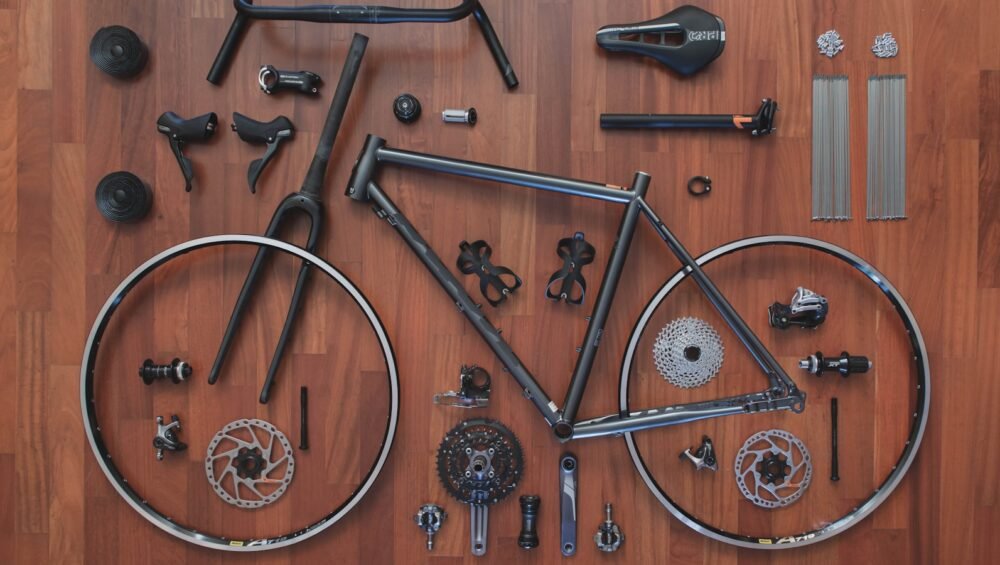
Choosing a bike can feel simple until the details start to pile up, especially when you are comparing models, specs, and fit notes across multiple listings. For shoppers reading understanding bicycle buying guides: key details and next steps, the challenge is not finding information, but knowing which details actually matter for the rider and the use case. That matters because a bike that looks appealing on paper may feel awkward, harder to maintain, or less practical once you bring it home. If you are comparing bikes for commuting, casual riding, or weekend use, a clear reading process helps you slow down, compare the right features, and avoid choices based only on appearance or a short spec list.
What should you focus on first when reading a bicycle buying guide?
Start with the few details that shape comfort and usability most directly. A useful guide usually helps you narrow options before you get lost in technical terms.
- Rider fit, including frame size and reach
- Intended use, such as commuting, leisure, or mixed riding
- Frame style and riding position
- Wheel size and tire width
- Gearing range and brake type
- Maintenance needs and overall simplicity
Once those basics are clear, the rest of the guide becomes easier to interpret. You can read the detailed features as support for the main decision, not as the decision itself.
How do you compare bike features without getting overwhelmed?
The easiest way is to compare one category at a time. Instead of scanning the whole guide repeatedly, build a short checklist and use the same questions for each model.
For example, ask whether the bike is designed for upright comfort or a more forward riding position. Then check whether the gearing seems simple enough for your routes. After that, look at brakes, tire width, and frame material only in relation to the riding conditions you expect.
This approach keeps the comparison practical. It also makes it easier to spot which details are cosmetic and which ones change how the bike will actually feel.
Why does fit matter more than a long spec list?
Fit often influences satisfaction more than a single upgraded component. A bike with attractive parts can still feel wrong if the frame size, riding position, or handlebar setup does not match the rider.
In many buying guides, fit is described in broad terms rather than as a final answer. That is normal. The guide can point you in the right direction, but it cannot replace a real assessment of body proportions, comfort preferences, and riding habits.
If you are comparing options online, treat fit as a filter. A bike that does not match the rider well should usually move down the list before you spend time comparing accessories or small equipment differences.
What are the most common mistakes to avoid?
Many buyers focus on the wrong detail first. That can make the process longer and more confusing than it needs to be.
- Choosing by appearance before checking fit
- Assuming more gears automatically means a better match
- Ignoring tire width and riding position
- Reading feature lists without considering terrain or route type
- Overlooking maintenance needs for brakes, drivetrain, and tires
- Comparing bikes from different categories as if they serve the same purpose
A guide is most helpful when it helps you narrow the field. If it leaves you with more questions than answers, step back and return to the basics: fit, use case, and comfort.
What action steps make a buying guide more useful?
Use a short process so the guide becomes a decision tool instead of just background reading.
- Write down the rider’s main use case.
- Set a comfortable riding position as a priority.
- Compare frame size and geometry notes first.
- Check gears and brakes only after fit makes sense.
- Review tire size, weight, and maintenance needs.
- Shortlist only the bikes that meet the basic comfort and use criteria.
If you are comparing several products, keep a simple note for each one. A short summary often reveals the strongest option faster than rereading long descriptions.
What pattern do experienced shoppers use when comparing bikes?
One common pattern is to compare from the rider outward, not from the parts list inward. Experienced buyers usually start with the rider’s posture, the route, and the type of riding they expect. Only then do they look at components.
That pattern works because it reduces distraction. Two bikes may have similar features on paper but deliver a very different ride if one is more upright, simpler to maintain, or closer to the rider’s height and reach needs.
In practice, this means the guide should help you answer one question at a time: does this bike fit the person and the purpose before anything else?
When should you ask for more help before choosing?
It helps to get more guidance when the guide leaves you unsure about size, riding position, or intended use. That is common when a buyer is between categories or comparing options for more than one rider.
It also makes sense to ask for help if you are unsure how to interpret geometry, brake type, or gearing notes. Those details can be useful, but they are easier to evaluate with a clearer sense of the rider’s priorities.
If a decision still feels unclear after you narrow the basics, pause rather than guessing. A little more review can prevent a choice that looks fine online but feels off in use.
What questions do shoppers usually ask about bicycle buying guides?
How do I know which details matter most?
Focus on fit, riding position, intended use, and comfort first. Those details usually shape the day-to-day experience more than isolated feature upgrades.
Should I compare every specification listed?
No. Compare the details that affect fit, use, and maintenance first. Extra specifications matter more after the bike already matches the rider’s needs.
Can a buying guide replace trying a bike in person?
Not fully. A guide can help you narrow options and ask better questions, but it cannot replace a real comfort check when that is available.
What if two bikes seem very similar?
Use the rider’s priorities to break the tie. Small differences in frame size, posture, tire width, or maintenance needs can matter more than a long feature list.
Is it okay to choose a simpler bike?
Yes, if it matches the rider’s needs. Simpler can be a good fit when the riding pattern is straightforward and ease of use matters more than extra features.
What is the best next step after reading a buying guide?
Take the details from the guide and turn them into a short comparison list. Keep your attention on fit, use case, comfort, and maintenance before you decide between models. If the options still feel close, return to the rider’s main priorities and remove anything that does not support them. That simple process makes understanding bicycle buying guides: key details and next steps much more manageable. The next step is to compare a few bikes against the same checklist and choose the one that fits the rider’s needs most clearly.