If you are comparing bicycle maintenance and upgrade products, the hardest part is not finding options. It is figuring out which ones actually fit your bike, your riding habits, and your budget. For riders shopping online or in a store, that question matters because product pages often highlight features without explaining compatibility, installation needs, or how the part may affect day-to-day use. Asking the right questions early can help you avoid returns, save time, and choose something that matches the way you ride. It also makes it easier to compare products without relying on hype or broad claims. A careful approach is especially useful when you are deciding between a small maintenance item and a larger upgrade that could change comfort, handling, or upkeep.
Key criteria that matter
- Will the product fit your bike type and current setup?
- Does it match the part it is meant to replace or improve?
- Can you install it yourself, or will it need tools or a mechanic?
- How often will you need to maintain or replace it?
- Does the product solve a real problem you actually have?
These questions help you separate useful upgrades from items that only look appealing on a product page. A maintenance product should make routine care simpler, more consistent, or more reliable. An upgrade should address a specific need, such as comfort, control, durability, or ease of use. If you cannot explain why you need the item in one or two sentences, it may be worth slowing down before you buy.
How do you know whether a product fits your bike?
Compatibility is the first filter. Start by checking the part category, the size, and any standards listed by the seller or manufacturer. For example, a component may look similar to the one already on your bike but still differ in mounting style, dimensions, or interface. That is why it helps to compare the item against the exact part you are replacing, not just the product name.
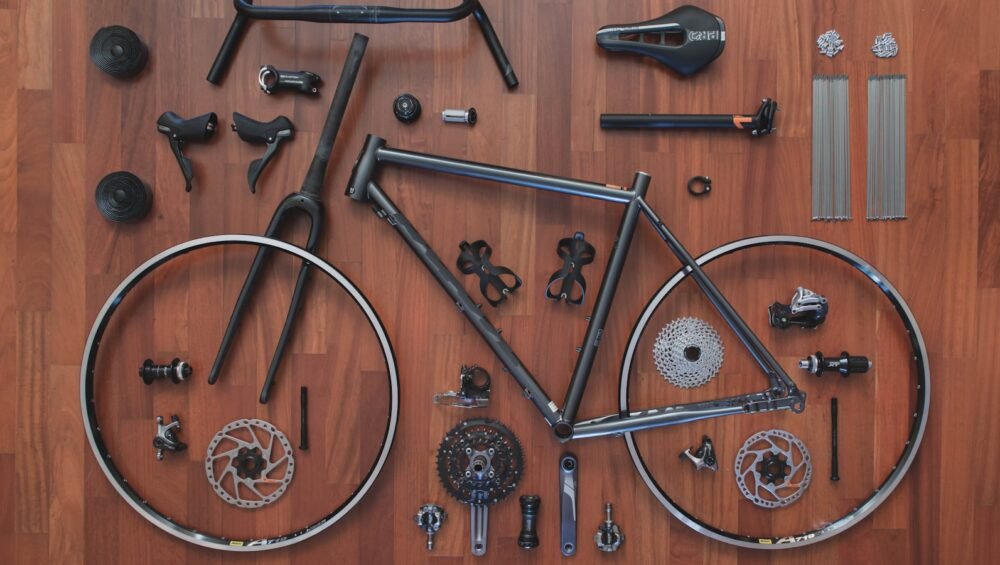
It also helps to think about the full setup, not only one piece at a time. A chain, brake part, tire, pedal, or accessory may interact with other components. If a product depends on a certain frame type, wheel size, drivetrain, or tool standard, note that before you order. When details are unclear, a quick comparison of specifications is usually more useful than relying on product photos alone.
Why do maintenance and upgrade choices affect daily riding?
The stakes are practical. A maintenance item can influence how often you clean, adjust, or replace other parts. A poorly matched upgrade can create extra work, such as harder installation, more frequent adjustment, or a mismatch with your current setup. Even a small change can affect comfort or efficiency in ways you notice on every ride.
That is why it helps to think beyond the purchase itself. Ask whether the item will reduce friction in your routine or add another task to manage. If the answer is unclear, compare a few alternatives and focus on how each one fits your use case rather than on broad product claims.
What mistakes do buyers make when choosing bike products?
- Buying by appearance instead of by fit and function
- Skipping compatibility checks for size, mount, or standard
- Ignoring whether installation needs special tools
- Choosing an upgrade without a clear riding problem to solve
- Overlooking how much ongoing care the product may require
- Assuming a higher price automatically means better value for their situation
These mistakes are common because many listings focus on features rather than on use. A better approach is to slow down and compare the details that matter after the purchase, not just the details that sound impressive before it.
What is a practical way to compare options before you buy?
- Write down the problem you want to solve.
- Check whether the product is made for your bike type or part standard.
- Look for installation requirements and tool needs.
- Compare how much upkeep the product may need later.
- Read the specifications before reading the feature summary again.
- Choose the option that fits your actual use, not the longest feature list.
This process works well because it turns a broad shopping decision into a few direct checks. It is easier to compare two products when you already know your priority, whether that is easier maintenance, better comfort, or a straightforward replacement for a worn part.
One pattern I see often is that buyers feel unsure when a product promises many benefits at once. In practice, the clearest choices are usually the ones with the fewest surprises. If a product is easy to identify, easy to fit, and easy to maintain, it is simpler to evaluate on real value rather than on marketing language.
When should you ask for help before buying?
Ask for help when the product affects a critical part of the bike, when compatibility is not obvious, or when installation seems more involved than a simple swap. That is also useful if you are comparing two close options and cannot tell which one matches your current setup. If you are unsure, a mechanic, a knowledgeable shop staff member, or a detailed product specification sheet can help you confirm the right direction. Rules and product standards can vary by item type and market, so it is wise to verify details before ordering.
Can you use a checklist to narrow the choice?
Yes. A short checklist can keep the decision practical.
- Does it fit my bike and existing parts?
- Does it solve a specific problem I already have?
- Can I install and maintain it with the tools and skills I have?
- Will it reduce effort, or will it add more upkeep?
- Does the specification sheet answer my main questions clearly?
If the answer is yes to most of these points, you are probably looking at a better match than a product chosen only for its description or appearance.
How do I compare a maintenance item with an upgrade item?
Compare them by purpose, not by category name. A maintenance item supports the condition of the bike. An upgrade changes how the bike feels or functions. If you want lower effort over time, a maintenance-focused choice may be the better fit. If you want a specific improvement in comfort, control, or convenience, an upgrade may make more sense.
What if the product description is vague?
If the description is vague, look for the specification details first. Check dimensions, materials, compatibility notes, and installation requirements. If those details are missing, it may be hard to judge whether the item is a good fit without extra confirmation.
Should price decide the choice by itself?
Not by itself. Price can be one factor, but it does not tell you whether a product fits your bike, matches your needs, or is easy to maintain. A lower-cost item that fits well may be more useful than a more expensive one that creates extra problems.
What is the safest way to make the final decision?
The safest approach is to confirm fit, confirm purpose, and confirm installation needs before you buy. When those three points are clear, the choice is usually much easier to defend.
What should you do next if you are still deciding?
Start with your bike’s current setup, then compare only the products that fit that setup and solve the same problem. That keeps the decision focused and reduces guesswork. If you want a simpler next step, review the product details carefully and use the checklist above before you add anything to your cart.
For a more confident purchase, take one product at a time and ask: does it fit, does it help, and can I live with the upkeep? If the answer is clear, you are much closer to a choice that makes sense for your bike and your riding routine.